Doubling Attendance: Marketing, Mission, and Museum Leadership with Adam Smith
From Aviation to Innovation: Adam Smith on Building Thriving Museums, featured in Episode 2 of Cultural Animals: Museum Leadership Lab
Cultural Animals: The Museum Leadership Lab, Episode 2
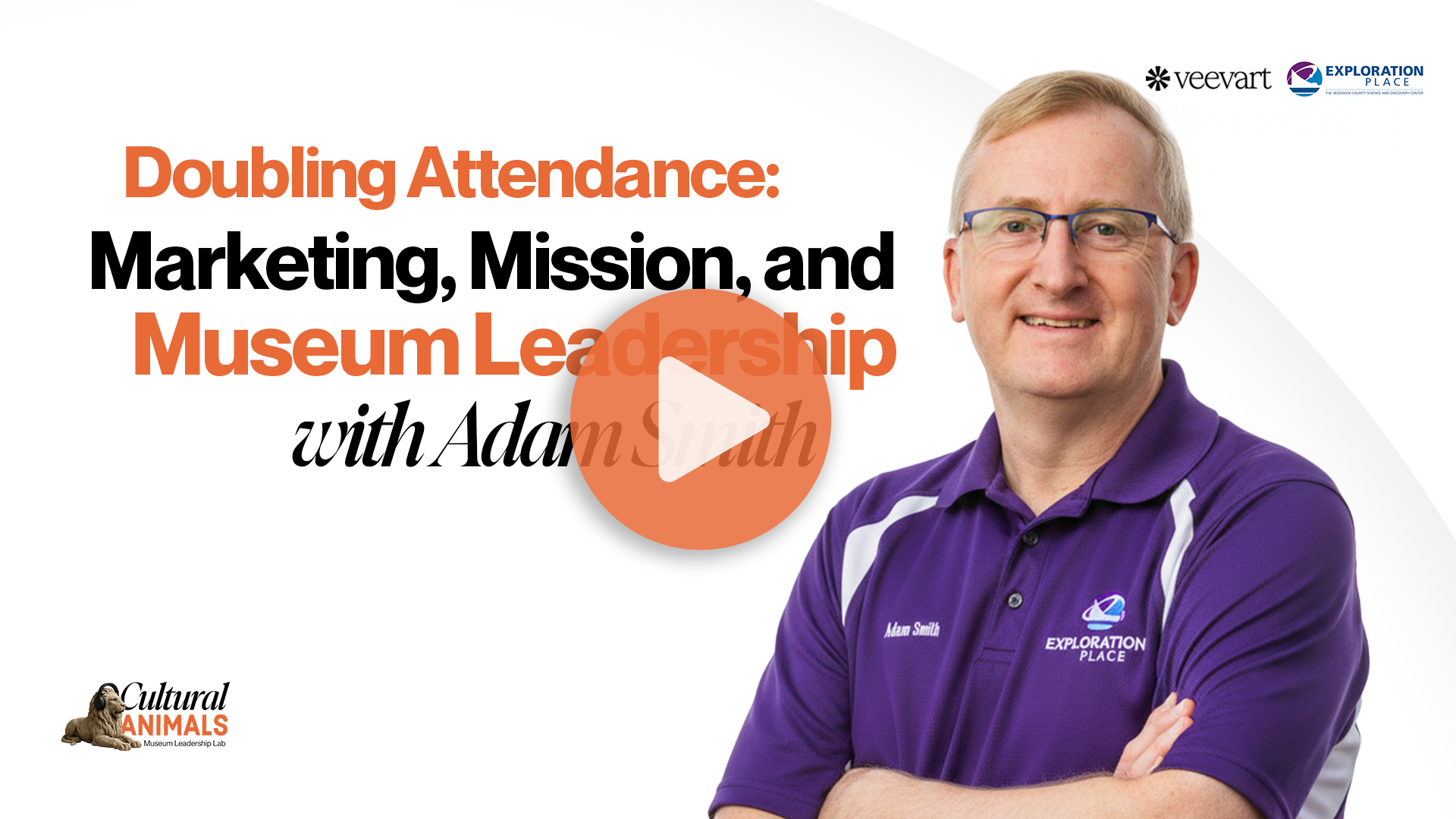
What does it take to double a museum's attendance in six years? How do you build a team so aligned that every department speaks highly of their leader? In our latest podcast episode, we sat down with Adam Smith, Executive Director of Exploration Place in Wichita, Kansas, to uncover the strategies behind one of the most innovative and successful museums in recent years.
Watch Podcast Now →
A Transatlantic Journey
Adam's museum career began at age 17 in Northern England, selling tickets at Pendle Heritage Center. Working the front lines in the gift shop, café, and admissions gave him enduring empathy for entry-level staff and a ground-up understanding of museum operations.
After earning his museum studies degree at St. Andrews in Scotland, Adam made one of the "sliding doors moments" of his life. He chose museums over archaeology. That instinct-driven decision launched a remarkable career spanning 25 years in the United States, from the EAA Aviation Museum in Wisconsin to Comic-Con Museum in San Diego, and finally to Exploration Place.
The Power of Great Governance
When asked about common struggles facing museum leaders, Adam did not hesitate. Boards can be an obstacle. His advice is simple: implement term limits.
"The argument against term limits is that you'll lose really good board members," Adam explained. "What I've learned is that no, you don't. They may take a year off and you can bring them back. But what you do lose is the ones you need to lose."
Strong boards create stability and enable progress. Misalignment with boards can creates stress and stagnation. Adam's success at Exploration Place stems in part from inheriting an exceptional board, a gift from his predecessor that enabled rapid transformation.
The Marketing Revolution
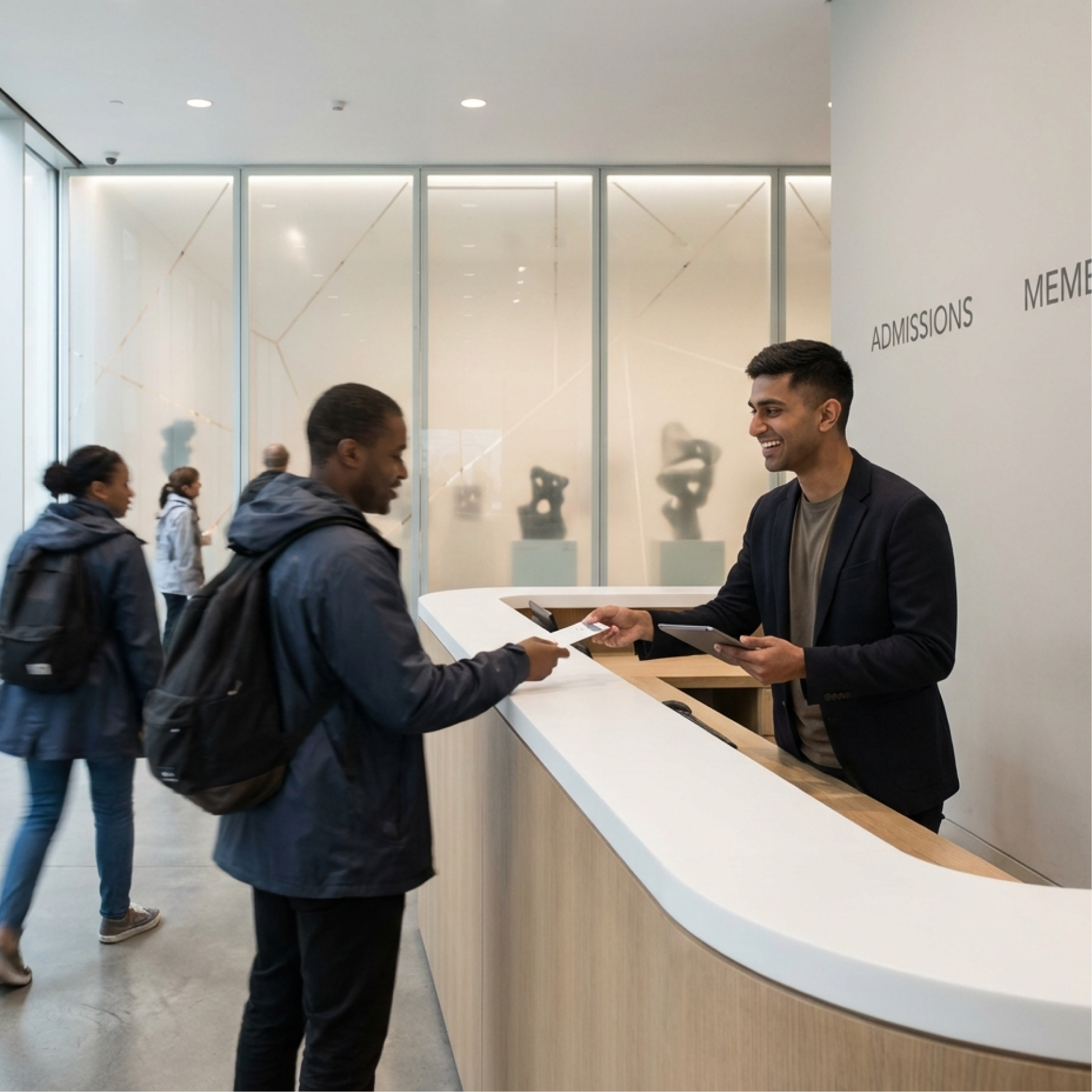
Adam shared a dramatic shift in marketing that helped double Exploration Place's attendance while cutting spending in half. The breakthrough was abandoning expensive legacy media like TV, radio, and print in favor of precise digital campaigns. Budgets dropped from $10,000 per campaign to as low as $2,000, giving flexibility for the dozens of programs and events museums juggle.
Here is the key insight every nonprofit leader should hear: eligible 501(c)(3) organizations can access a substantial amount of free monthly advertising through Google Grants. Most museums tap into only a small fraction of that opportunity, while some institutions have learned to fully leverage the entire amount.
"There are inefficiencies everywhere if you look for them," Adam said, emphasizing how digital tools and social media have democratized museum marketing in ways unimaginable when he started his career.
The Pricing Paradox
Adam shared a counterintuitive lesson about pricing. When he arrived, dome theater tickets cost far below market rates. Staff worried locals would not pay more. After researching competitors globally, Adam raised the price by about $3. The result was more people attending. Perception of value matters. When something is priced too low, people assume it lacks quality.
"You can charge so little for something that people don't believe there is any value there," Adam explained. Strategic pricing can fund scholarships and free admission for those who need it most. Exploration Place welcomed 400,000 visitors last year while letting 39,000 people in for free through targeted programs. As Adam says, they follow a "Robin Hood philosophy": charge those who can afford it to support those who cannot.
Building Culture Through Hiring
At Exploration Place, every department spoke enthusiastically about Adam's leadership. His secret is obsessive attention to hiring and culture.
"Culture can be a very powerful force," Adam said. "You cannot change culture overnight. You grind on that every day."
He attends nearly every interview, even for junior positions, to assess cultural fit, mindset, and mission alignment. Six years in, Adam considers himself just getting started on transforming the culture. This shows meaningful change requires patience and persistence.

The Mission as Compass
In a museum environment where ten people a day pitch new programs and initiatives, Adam relies on mission alignment to decide what to pursue. Exploration Place's mission is "to inspire a deeper interest in science and technology through creative and fun experiences for all." The key words are "to inspire."
"I feel that any museum that is inspiring its audience is succeeding on some level," Adam said. Museums often struggle to stop programs once started. Adam has developed the backbone to say no and to sunset initiatives that no longer serve the mission. This is a critical but often overlooked leadership skill.
Bridging Specialty to Popular Culture
One thread runs through Adam's entire career: connecting specialized museum content to good regular people. Whether aviation, pop culture, or science, his gift lies in translation.
"Most of the rest of the world is operating in a different mentality," he noted. "Pop culture can be a really great bridge from your deep specialty to ordinary people."
This philosophy has served him from Scotland to Comic-Con to Wichita, keeping museums relevant and accessible without diluting their missions.
Looking Ahead
Exploration Place is preparing to open a six-acre outdoor expansion in three months, featuring ten playgrounds' worth of inspired play spaces. Adam's influence continues to grow. He recommends museum leaders watch Stephen Watson at the National WWII Museum, Vince Kadlubek at Meow Wolf, and Tony Moore, whose work on Tulsa's Gathering Place redefined public spaces.
Key Takeaways for Museum Leaders
Maximize free advertising when available
Price strategically because too low suggests low value
Invest in digital marketing over legacy media
Hire for culture, not just skills
Use mission as your decision-making compass
Build bridges between your specialty and popular culture
Learn to say no and sunset underperforming programs
Seek peer support because leadership can be lonely
Focus on inspiration as the ultimate measure of success